The Importance of Body Language in Job Interviews
In today’s competitive job market, every detail counts when it comes to making a lasting impression during a job interview. While your resume and qualifications are important, your body language can play a crucial role in determining whether you land the job or not. The way you present yourself non-verbally can speak volumes about your confidence, professionalism, and overall suitability for the position. Understanding the significance of body language in job interviews and learning how to use it to your advantage can give you a significant edge over other candidates.
Creating a Positive First Impression
The moment you walk into the interview room, your body language starts communicating before you even say a word. Your posture, facial expressions, and handshake are all part of the initial impression you make on your potential employer. By standing tall, making eye contact, and offering a firm handshake, you convey confidence and professionalism. These positive non-verbal cues can set the tone for the rest of the interview and make a strong first impression.
Building Rapport Through Non-Verbal Cues
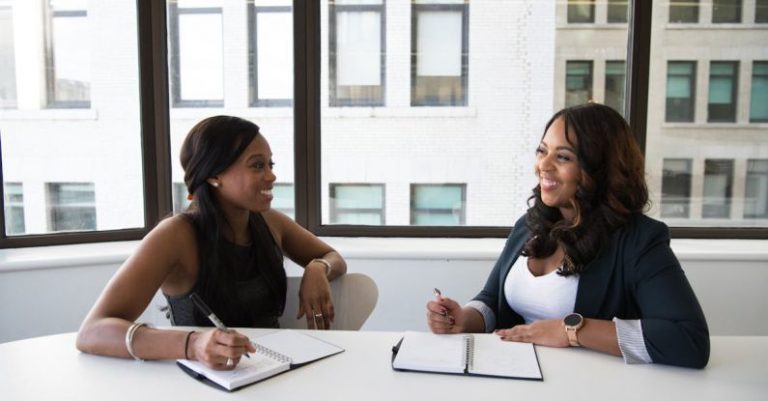
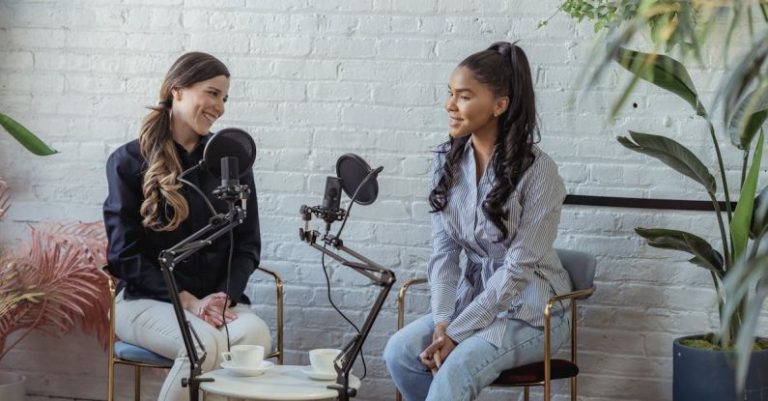
During the interview, your body language can help you establish a connection with the interviewer and build rapport. Simple gestures like nodding your head to show understanding or leaning slightly forward to demonstrate interest can signal to the interviewer that you are engaged and attentive. Mirroring the interviewer’s body language, when done subtly, can also create a sense of rapport and mutual understanding. By paying attention to your non-verbal cues, you can create a more positive and collaborative interaction with the interviewer.
Demonstrating Confidence and Assertiveness
Confidence is a key trait that employers look for in potential candidates, and your body language can either reinforce or undermine this perception. Avoiding fidgeting, maintaining good posture, and speaking clearly and confidently can all convey a sense of self-assurance. Avoid crossing your arms, slouching, or avoiding eye contact, as these gestures can signal nervousness or insecurity. By projecting confidence through your body language, you can instill trust and credibility in the interviewer’s mind.
Communicating Professionalism and Poise
Your body language can also reflect your level of professionalism and poise during the interview. Sitting up straight, keeping your movements controlled, and using gestures purposefully can all contribute to a polished and professional image. Avoiding distracting gestures, such as playing with your hair or tapping your foot, can help you appear composed and focused. By paying attention to the details of your body language, you can present yourself as a competent and capable candidate for the position.
Conveying Interest and Enthusiasm
One of the key goals of a job interview is to demonstrate your interest in the position and the company. Your body language can be a powerful tool in conveying your enthusiasm and passion for the opportunity. Smiling, nodding, and maintaining an open posture can all signal your interest and engagement in the conversation. Using appropriate facial expressions and gestures to express your enthusiasm can help you stand out as a candidate who is genuinely excited about the prospect of joining the team.
Strategies for Improving Your Body Language
If you want to enhance your body language skills for job interviews, there are several strategies you can practice. Start by becoming more aware of your own non-verbal cues and how they may be perceived by others. Practicing good posture, making eye contact, and using gestures purposefully in everyday conversations can help you become more comfortable with using body language to communicate effectively. Additionally, seeking feedback from friends or mentors on your body language can provide valuable insights on areas for improvement.
Incorporating these strategies into your interview preparation can help you harness the power of body language to make a positive impression on potential employers. By mastering the art of non-verbal communication, you can enhance your overall presentation, build rapport with interviewers, and increase your chances of securing the job. Remember that your body language is an essential part of your communication toolkit and can make a significant difference in how you are perceived during the interview process.
Embracing the Power of Body Language in Job Interviews
As you navigate the competitive landscape of job interviews, remember that your body language can be a powerful asset in showcasing your qualifications and fit for the position. By understanding the importance of body language and learning how to leverage it effectively, you can elevate your interview performance and leave a lasting impression on potential employers. From creating a positive first impression to conveying confidence, professionalism, and enthusiasm, your non-verbal cues can speak volumes about your candidacy. By honing your body language skills and incorporating them into your interview strategy, you can maximize your chances of success and stand out as a top contender for the job.